
Implementation
Discovery, configuration, data migration and cutover planned around clinical risk rather than a fixed date.
Learn moreSoftware is the easy part. Getting it adopted in a live clinical service without disrupting care is the work.
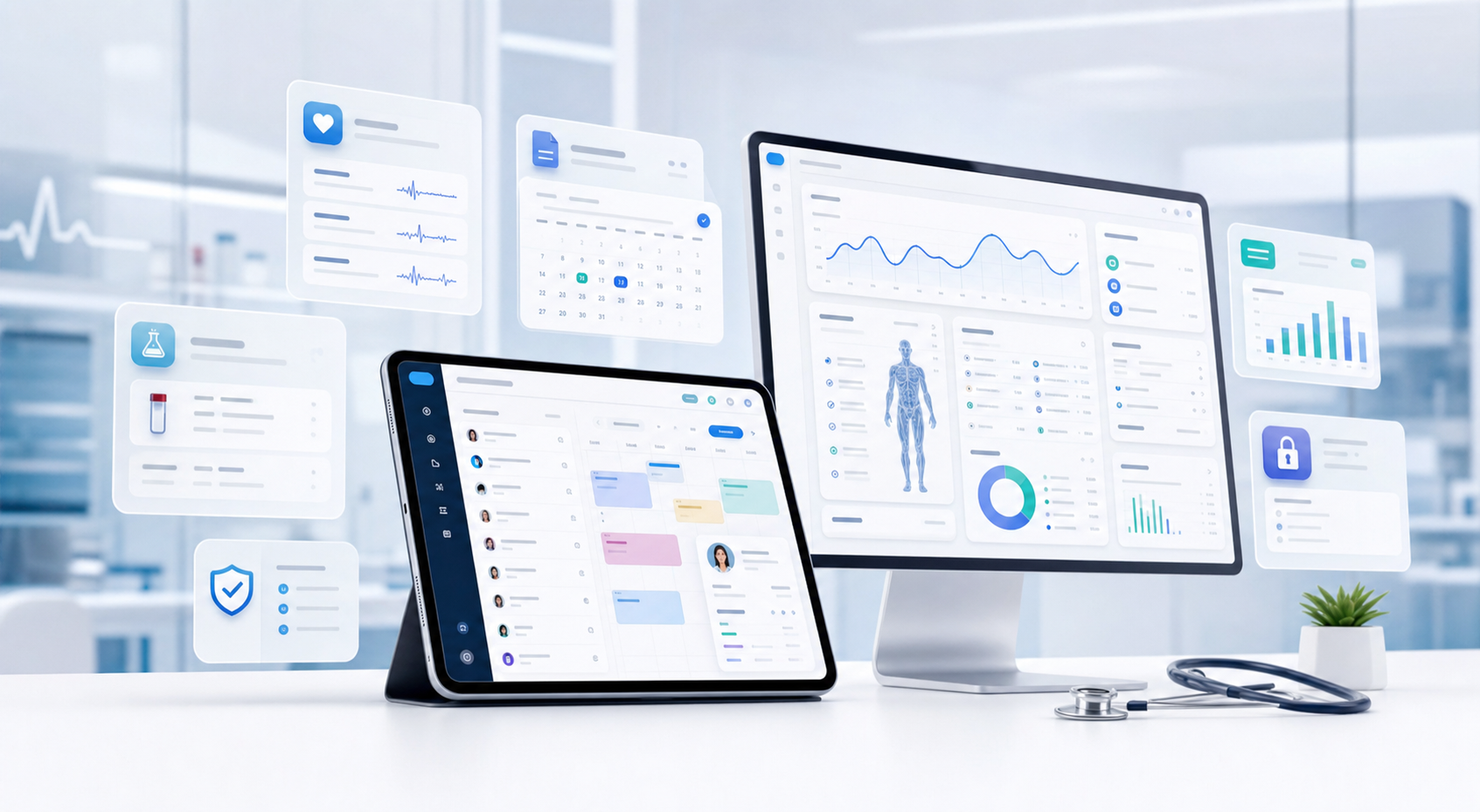
Discovery, configuration, data migration and cutover planned around clinical risk rather than a fixed date.
Learn moreEstate assessment, phased migration and recovery verified by actually recovering.
Learn moreIncident response, system administration and the steady improvements that keep a system fitting the service.
Learn moreScope, dependencies, data quality and clinical risk established before any plan is committed to.
Configuration designed with the teams who will use it daily, reviewed against real clinical scenarios.
Phased, with parallel running and a rehearsed fallback where the clinical risk justifies it.
Reviewed against the objectives set at the start, then adjusted based on what the first weeks reveal.
[PLACEHOLDER: commercial terms, day rates or pricing model, if you want these published]
Implementations fail on both sides. These are what we need from a client organisation for delivery to work:
It depends on scope, data volume and how much process change is involved. We estimate after discovery, not before — an estimate given before we have seen your data is a guess.
Usually. We interface using HL7 v2, FHIR and DICOM where the other system supports them. Where it does not, we will tell you what the integration will realistically cost to build and maintain.
Deployments are phased so failure is contained, with a rehearsed fallback. We would rather delay a go-live than run one we are not confident in.
Tell us the constraints you are working within and we will tell you what is realistic.